
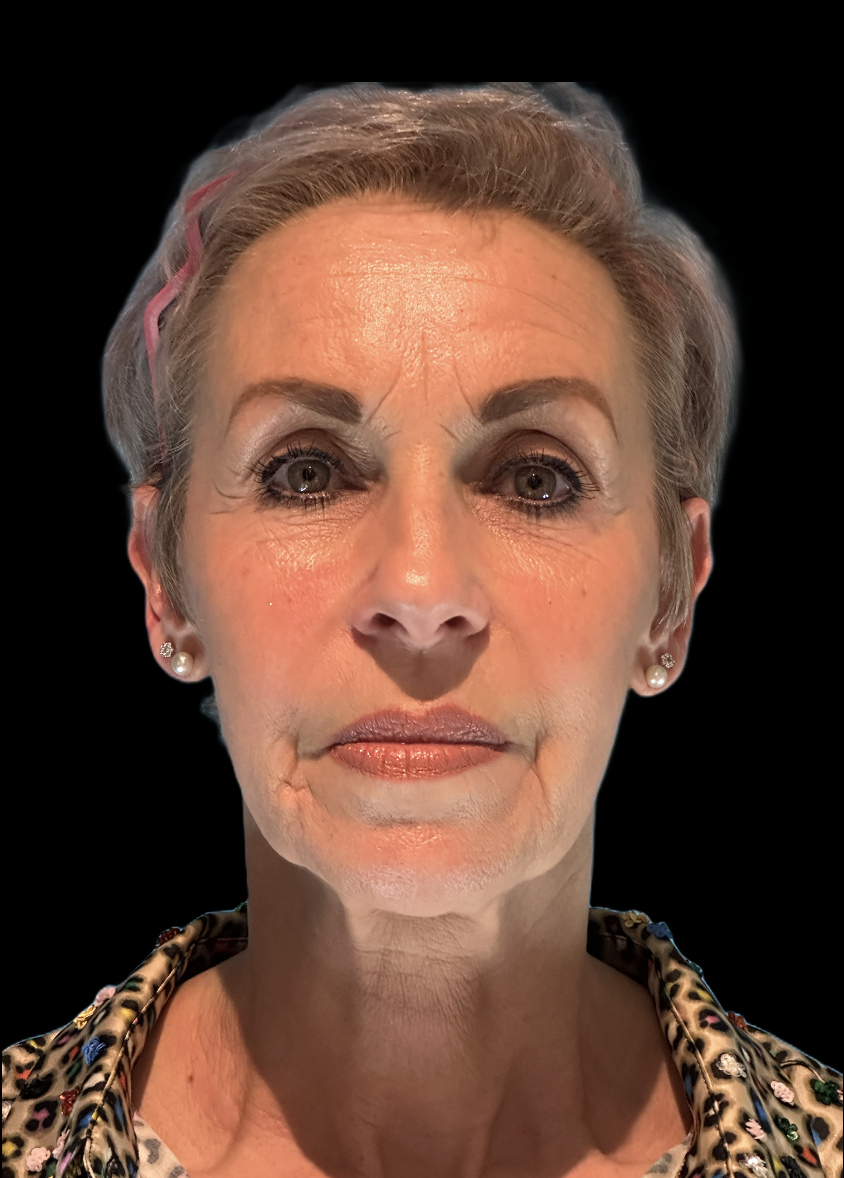
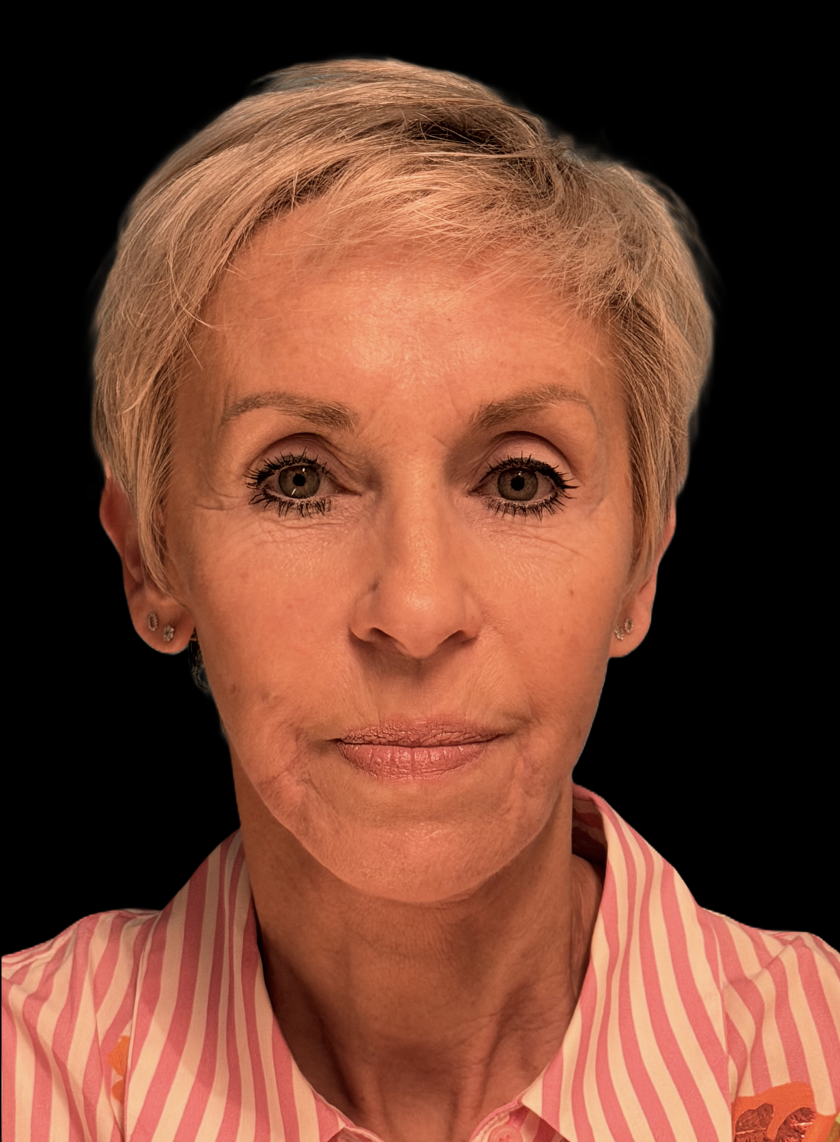
Before and 12 months after surgery
A deep plane facelift improves the jawline, jowls, and midface by repositioning descended soft tissues, but it is not a dedicated procedure for correcting a deep mentolabial fold.
The mentolabial fold is influenced by skeletal support, chin projection, lower lip position, soft-tissue thickness, and muscle dynamics.
Optimal correction often requires adjunctive procedures using fillers.


Before and 12 months after surgery
Chin and Jawline Enhancement with Patient-Specific Implants. Sliding genioplasty (surgical repositioning of the chin) combined with custom-made PEEK implants to enhance the jaw angles and lower border of the jaw.
This approach combines facial “looksmaxing” — improving chin and jawline definition and facial proportions — with definitive surgical treatment of obstructive sleep apnea and snoring.
During the same procedure, a previously placed silicone chin implant, which had shifted downward beneath the chin, was removed.
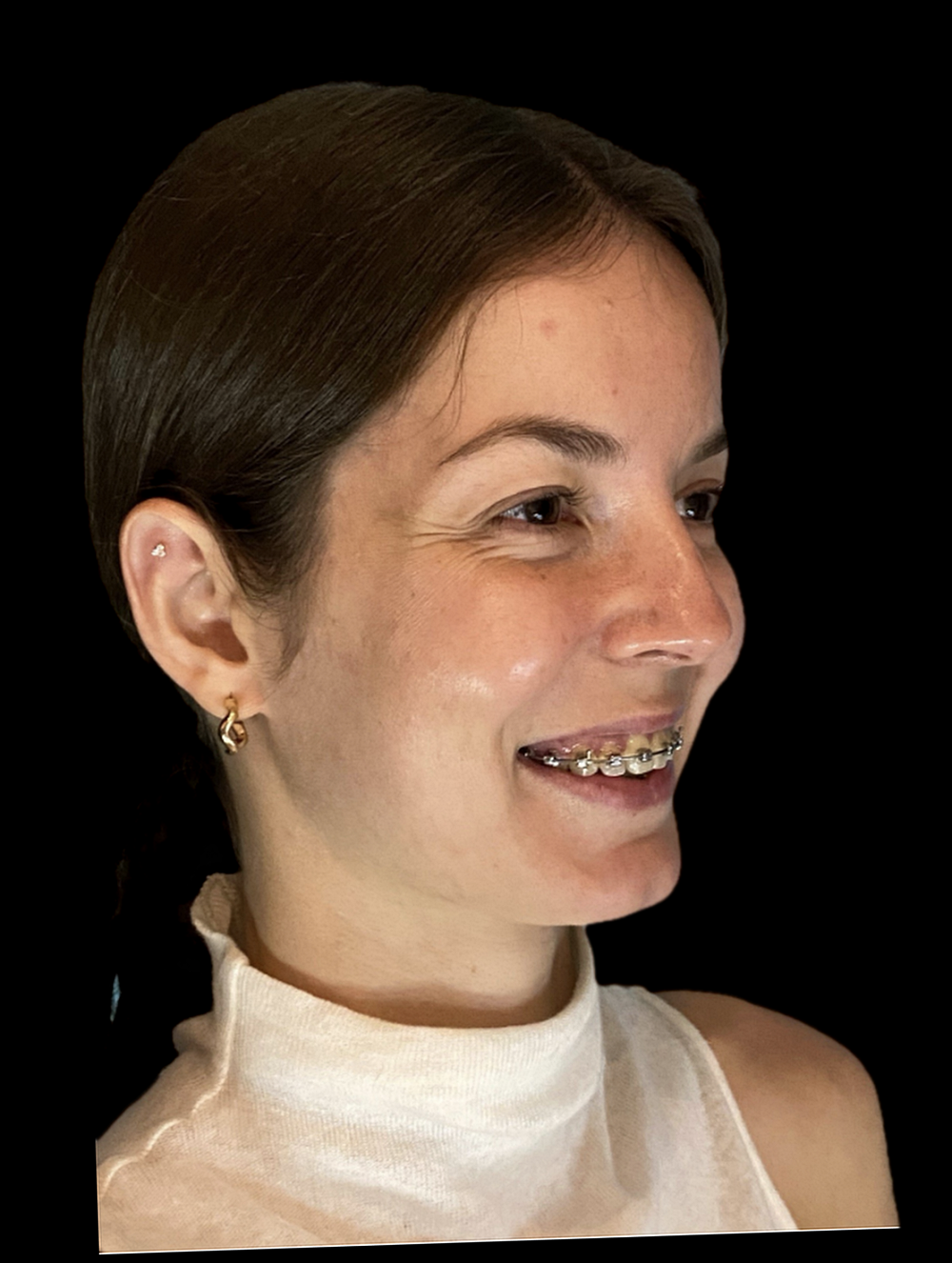
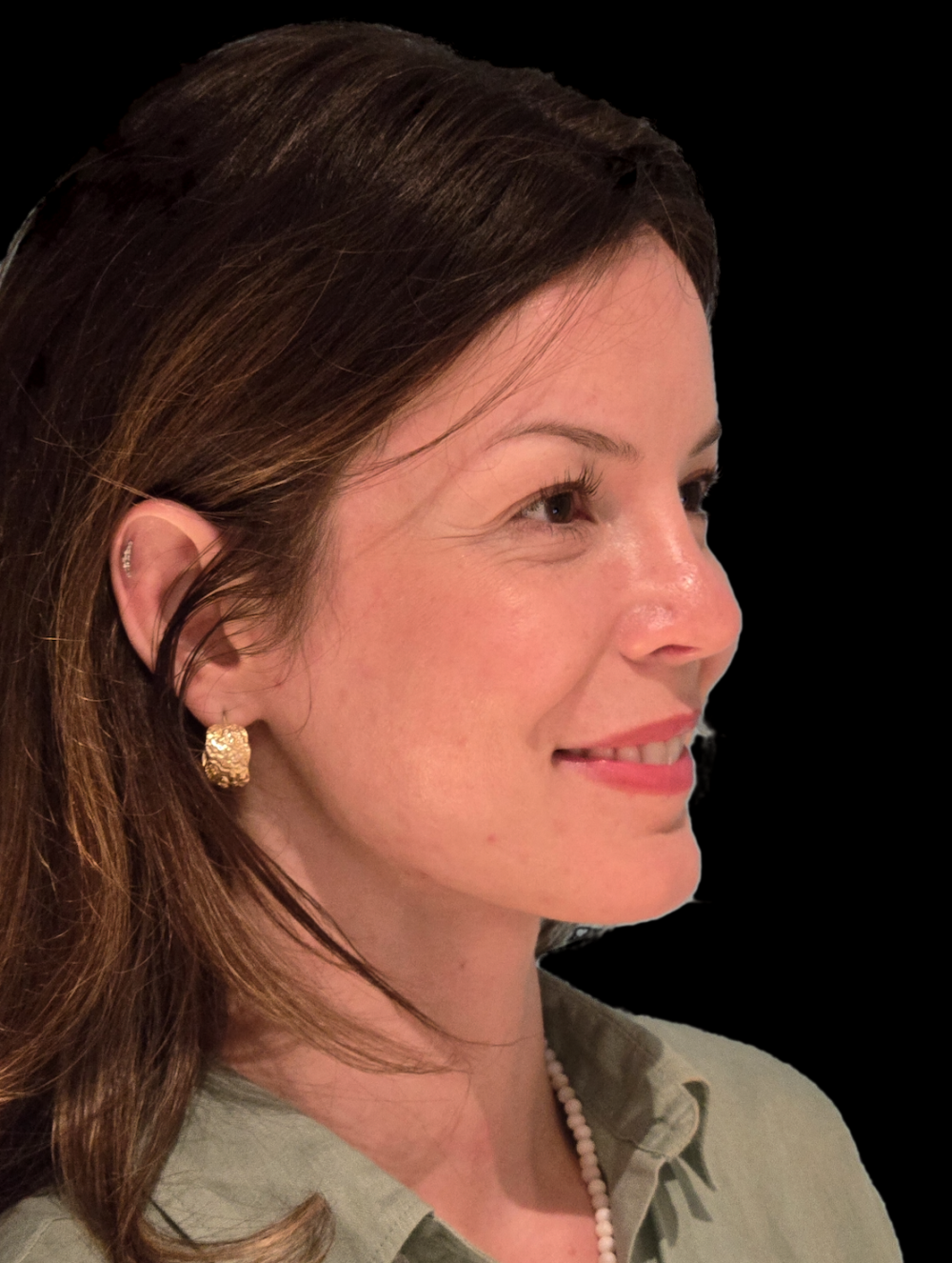
Before and 12 months after surgery
When the upper and lower jaw sit too far back, the middle of the face looks flat or “dished-in“: the cheeks lack support, the nose seems to stand out more, and the chin appears weak.
The correction is a double jaw operation — surgeons call it a “bimax” — in which both jaws are repositioned forward in one procedure. This gives the face its missing support and brings the profile back into proportion. A rhinoplasty completes the picture by matching the nose to the new facial framework. Patients frequently describe not only a face that finally looks like it fits them, but a noticeable boost in self-esteem and confidence.
Here the rhinoplasty was carried out in a second session, although it is often combined with the bimax.
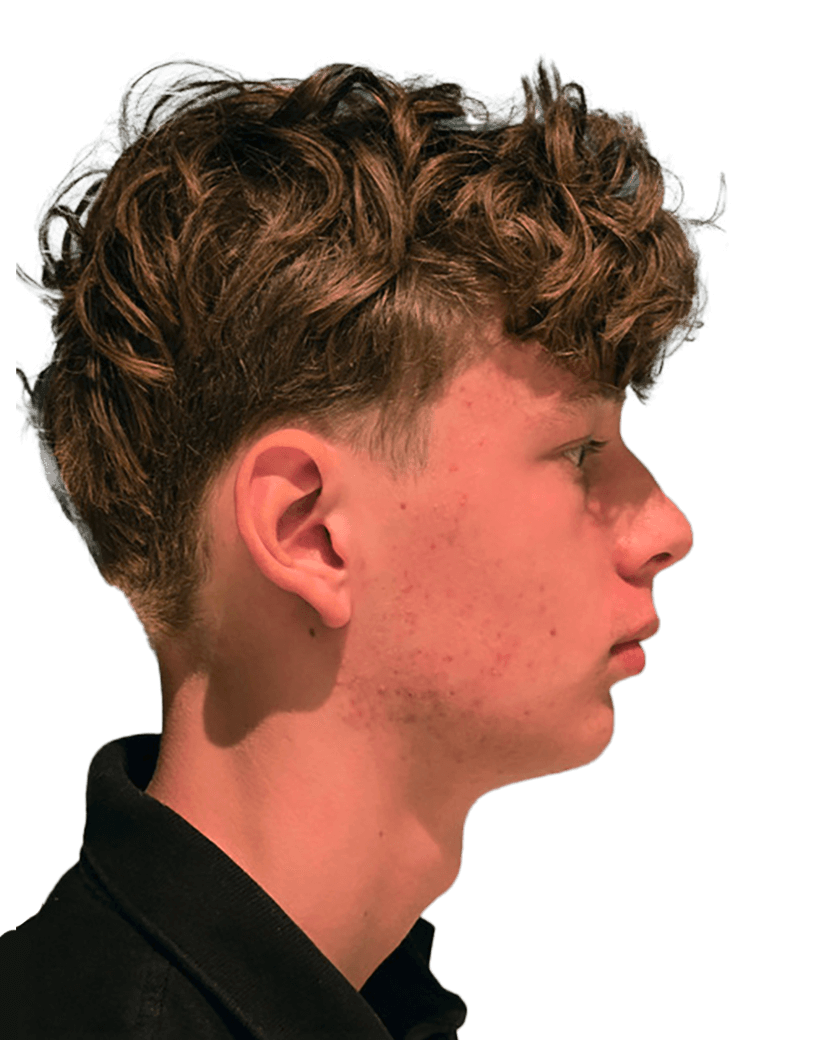
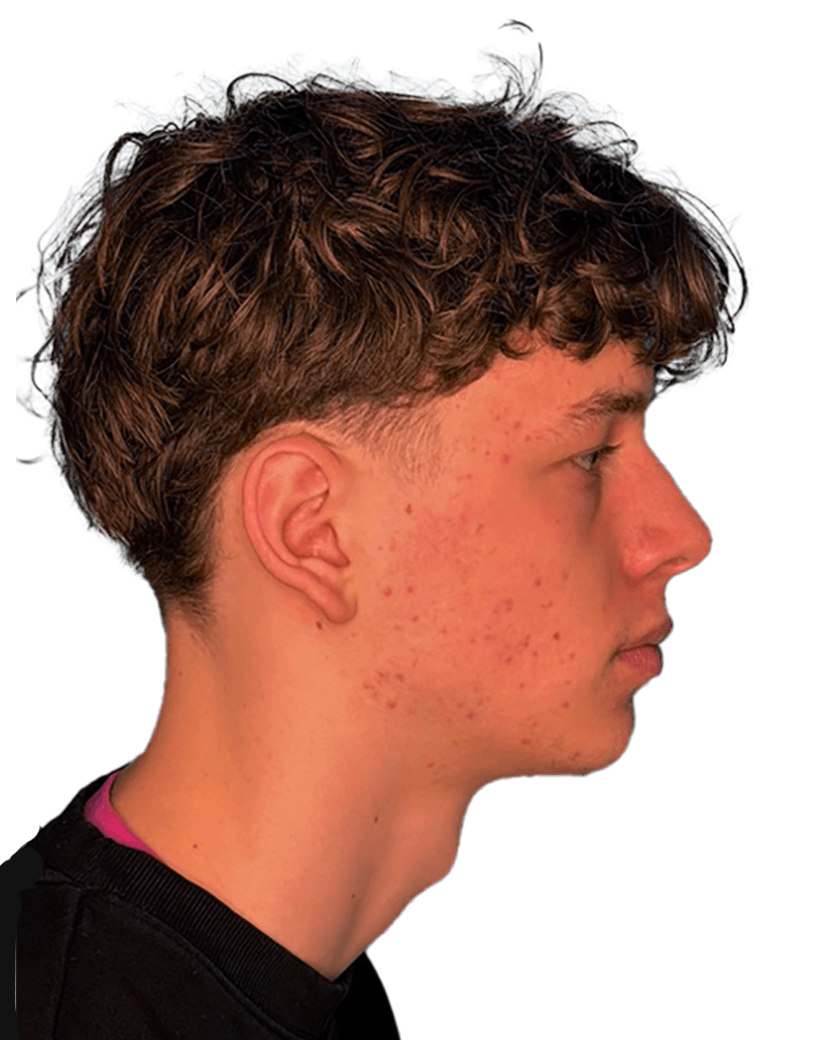
Before and 6 months after surgery
Lower jaw advancement was performed to restore proper dental occlusion.
An additional sliding genioplasty (chin advancement osteotomy) would have further optimised facial balance and achieved a more harmonious profile.
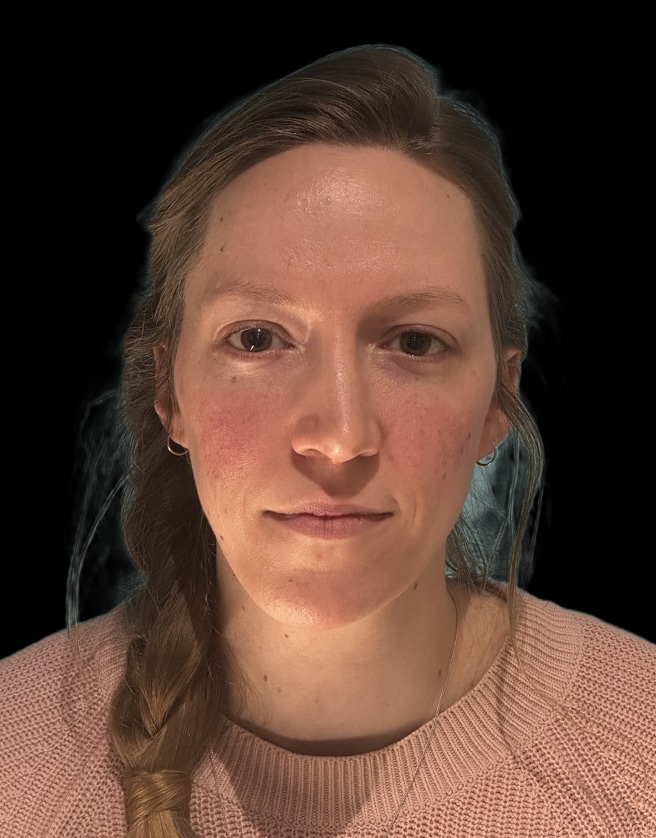
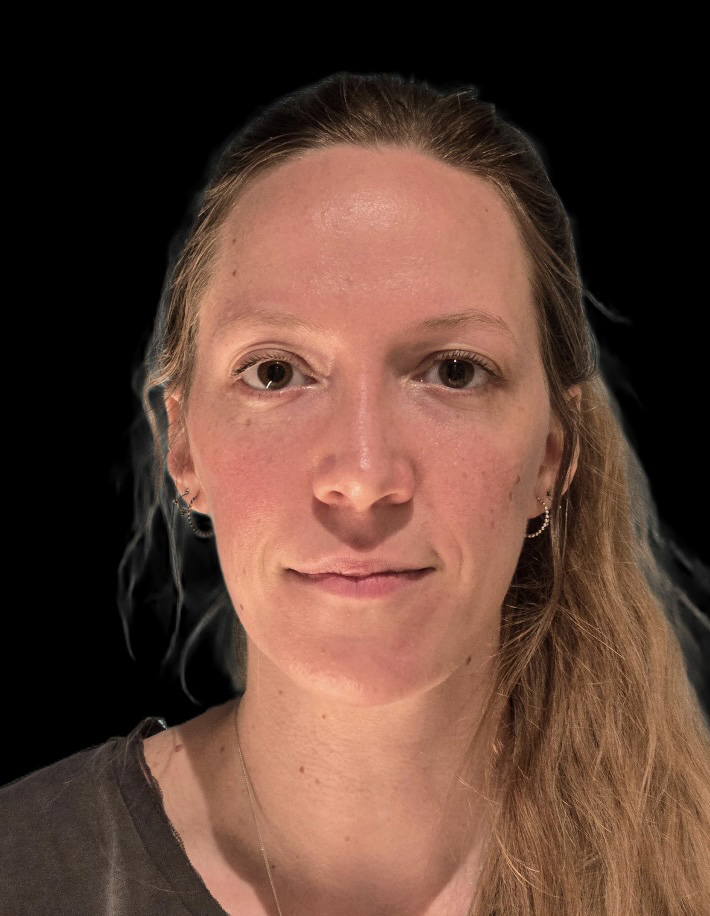
Before and 6 months after surgery
Expert tip: Orthognathic surgery corrects jaw position and facial asymmetry, but additional contouring procedures may further enhance facial balance.
In this patient, partial facial straightening was achieved 15 years earlier by orthognathic surgery. Only now did she undergo the second stage: custom-made jaw angle implants, mandibular border reduction and chin repositioning with cutting guides, and rhinoseptoplasty. to optimize facial harmony and profile aesthetics.
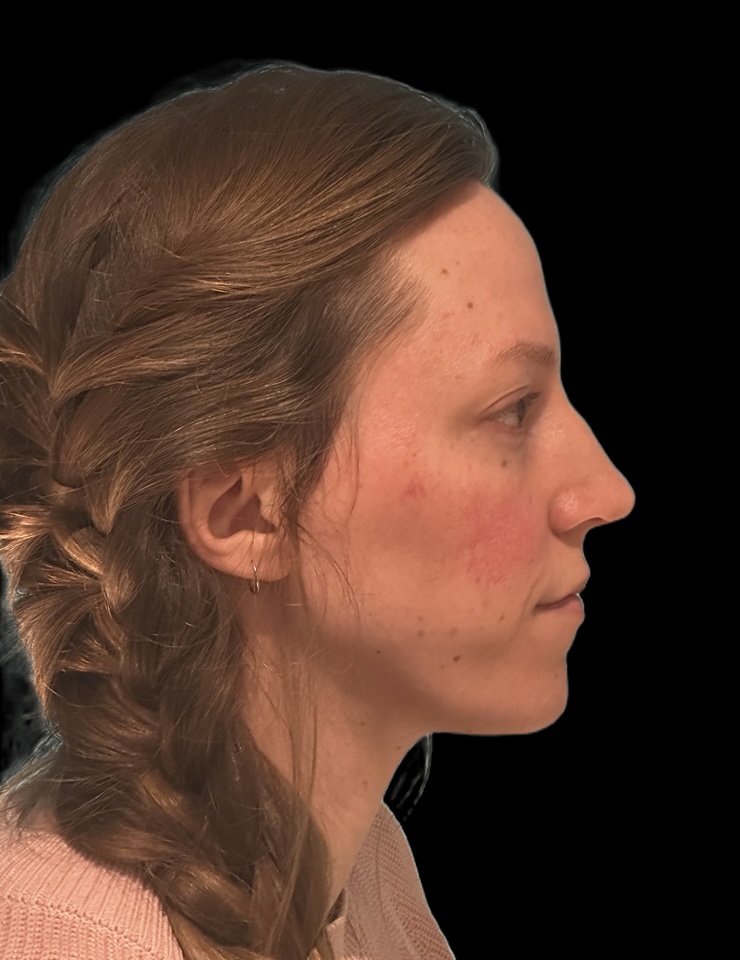
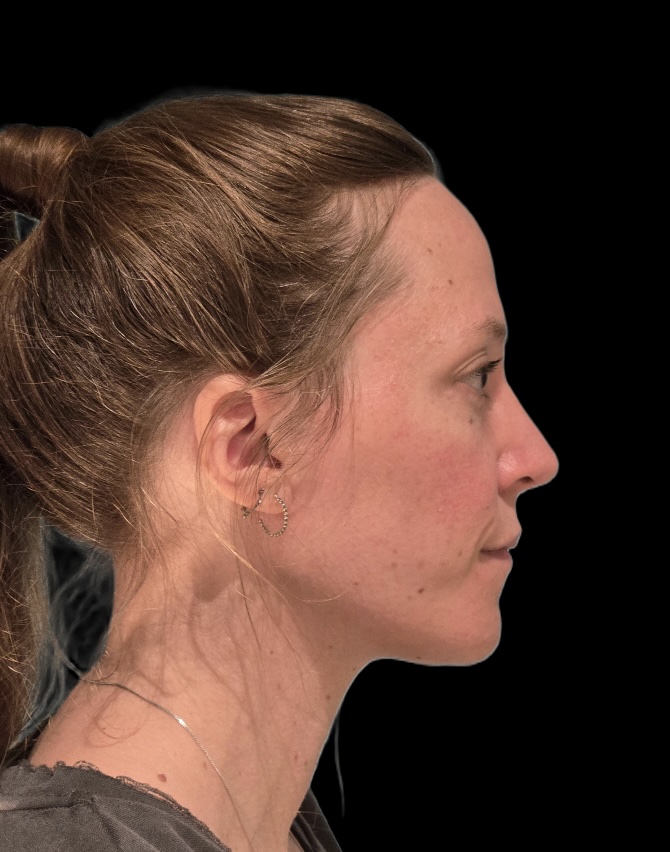
Before and 6 months after surgery
Expert tip: Orthognathic surgery corrects jaw position and facial asymmetry, but additional contouring procedures may further enhance facial balance.
In this patient, partial facial straightening was achieved 15 years earlier by orthognathic surgery. She waited that long to have the second stage surgery: Jaw angle implants (custom-made), mandibular border reduction & chin repositioning with cutting guides, and rhinoseptoplasty were later performed to optimize facial harmony and profile aesthetics.
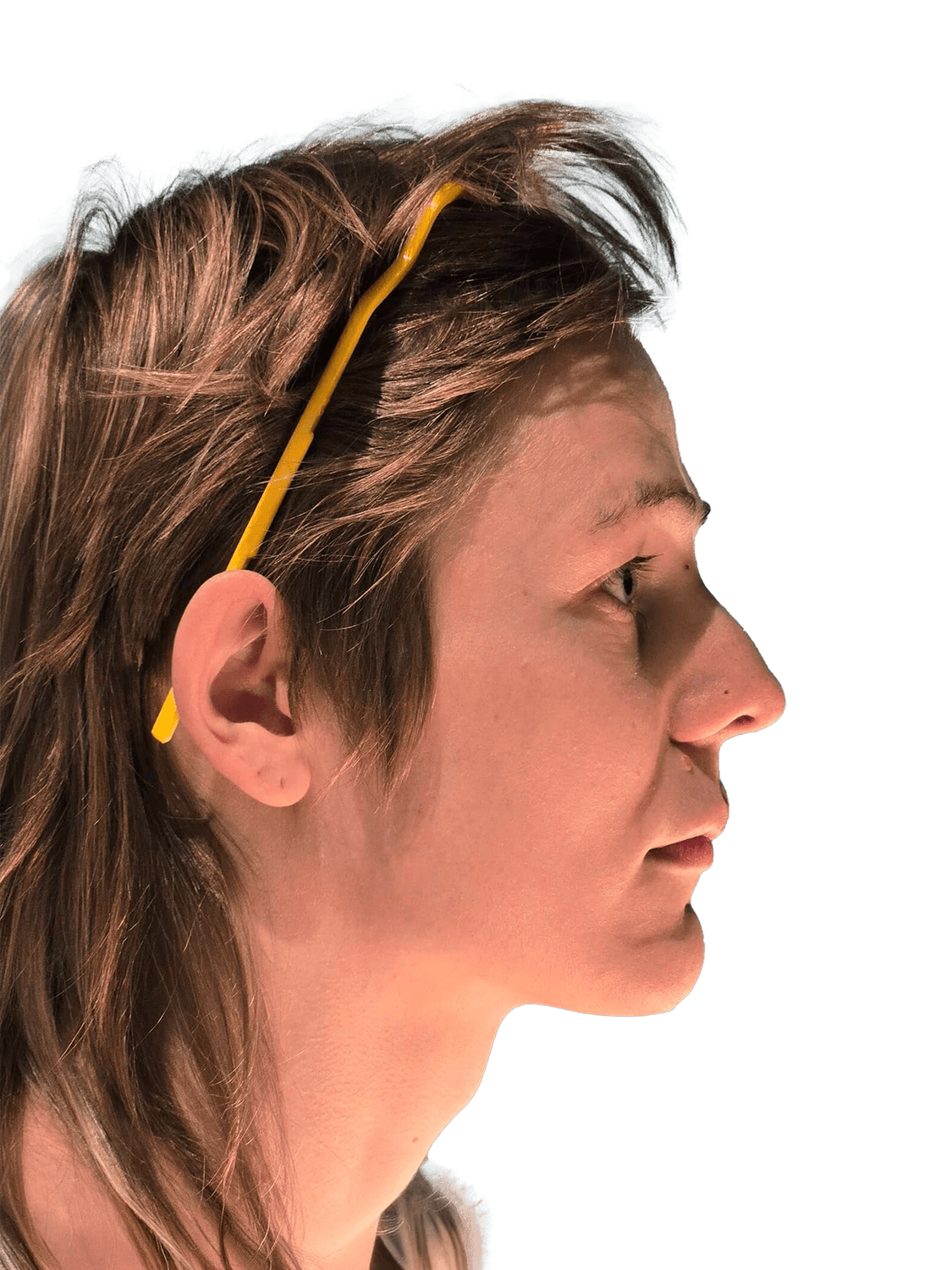
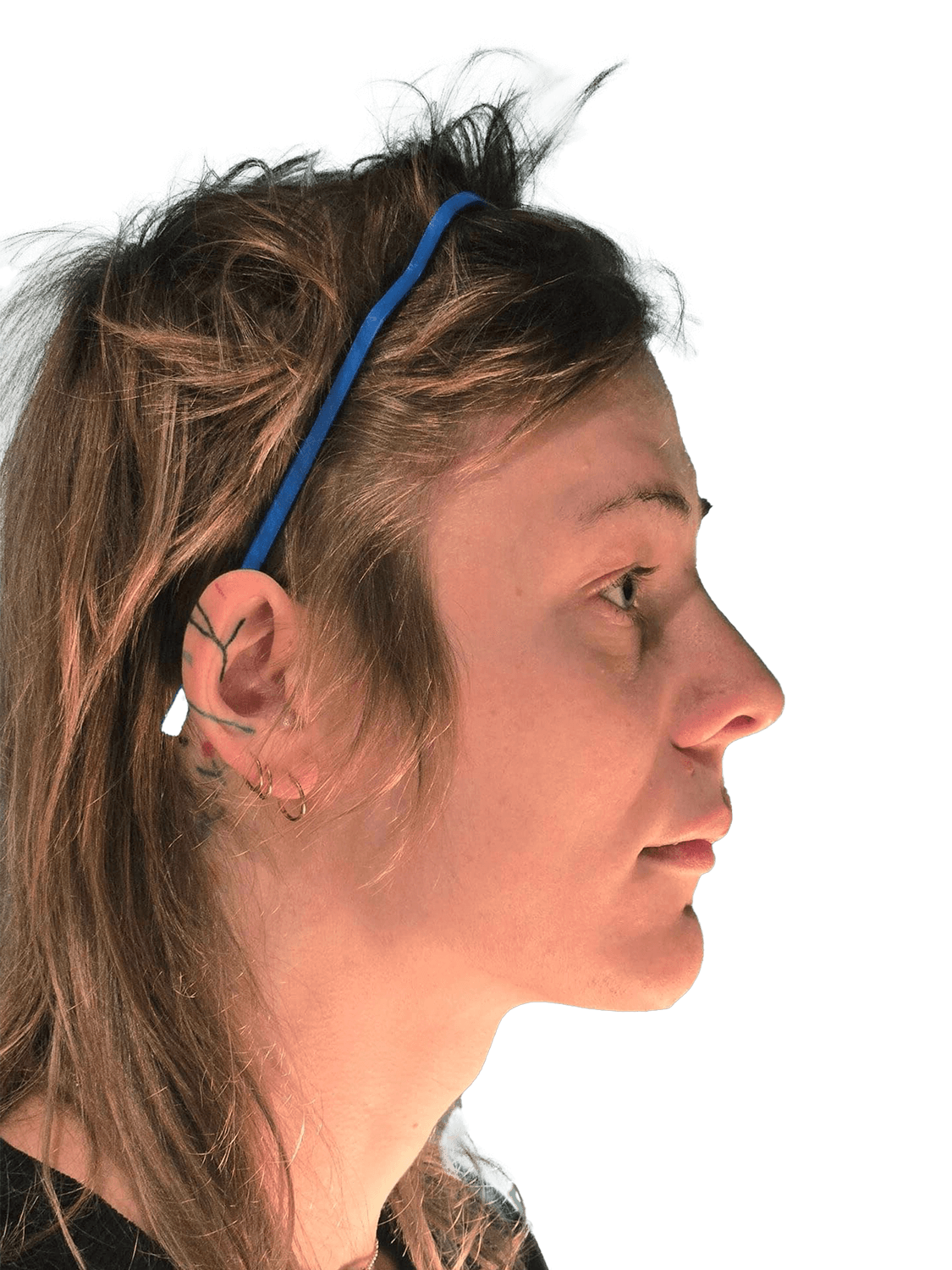
Before and 6 months after surgery
Facial feminisation surgery for a trans woman involves softening and reshaping typically more masculine facial features to create a more feminine appearance.
This often includes reducing the brow bone above the eyes, lifting the eyebrows, refining the nose, and reshaping the chin. A procedure to reduce the Adam’s apple (tracheal shave) is also planned.
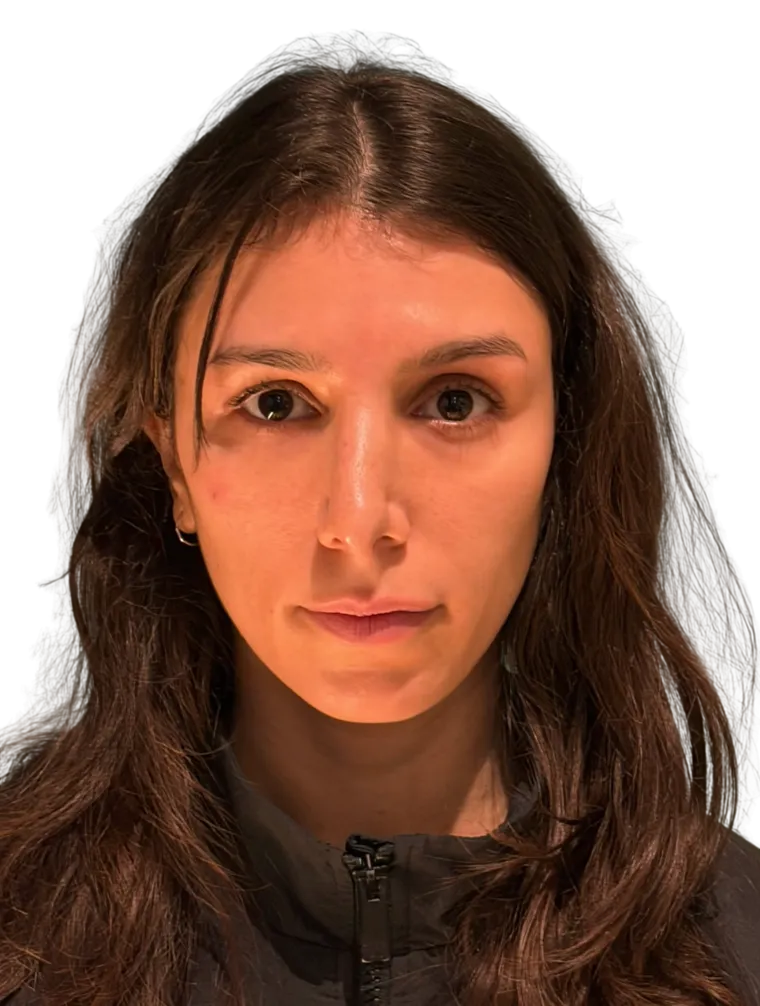
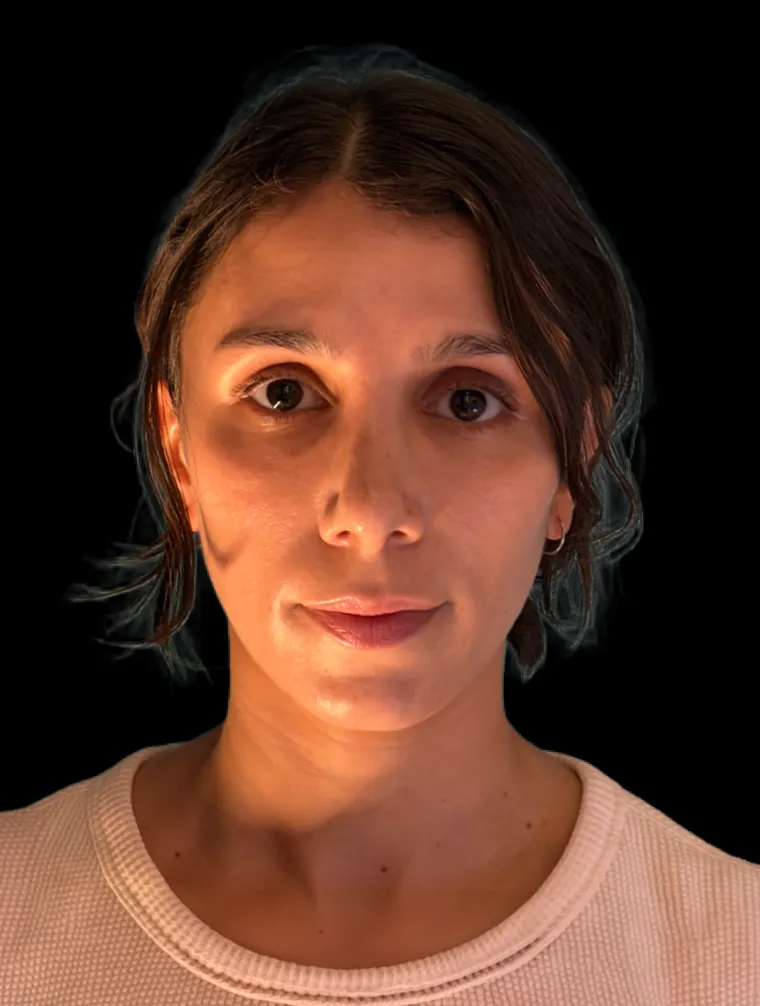
Before and 2 months after surgery
Correcting a crooked nasal dorsum is less like sanding a bump off a surface, and more like carefully rebuilding the central beam of a tent while while preserving both appearance and nasal breathing.
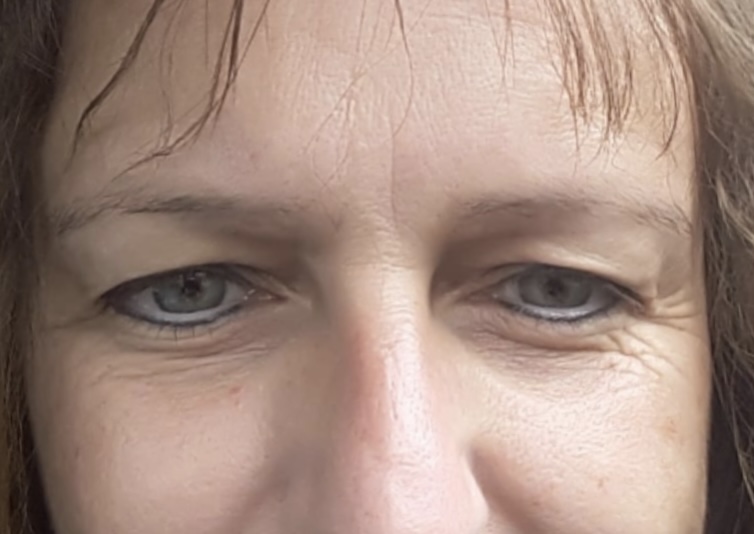
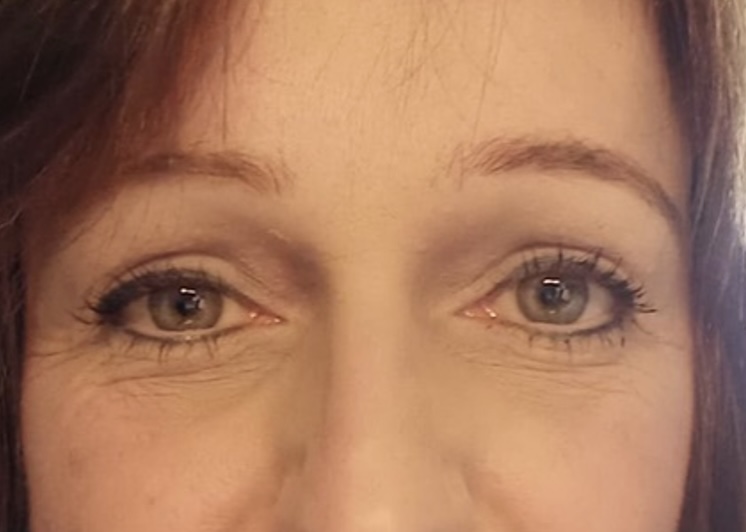
Before and 3 months after surgery.Photographs taken by the patient using a smartphone.
A forehead lift combined with a pinch upper blepharoplasty restores a more open, refreshed, and youthful appearance to the upper face.
The forehead lift elevates the brows to a more natural position, reducing brow descent and softening forehead and glabellar heaviness, while the pinch upper blepharoplasty removes a limited amount of excess upper eyelid skin without altering the natural eyelid volume.
Together, they improve hooding and tiredness of the eyes, enhance the upper visual field when brow or eyelid skin obstructs vision, and create a brighter, more alert expression.
The most successful outcomes appear natural and balanced, preserving individual character while harmonizing the relationship between the forehead, brows, and eyelids.
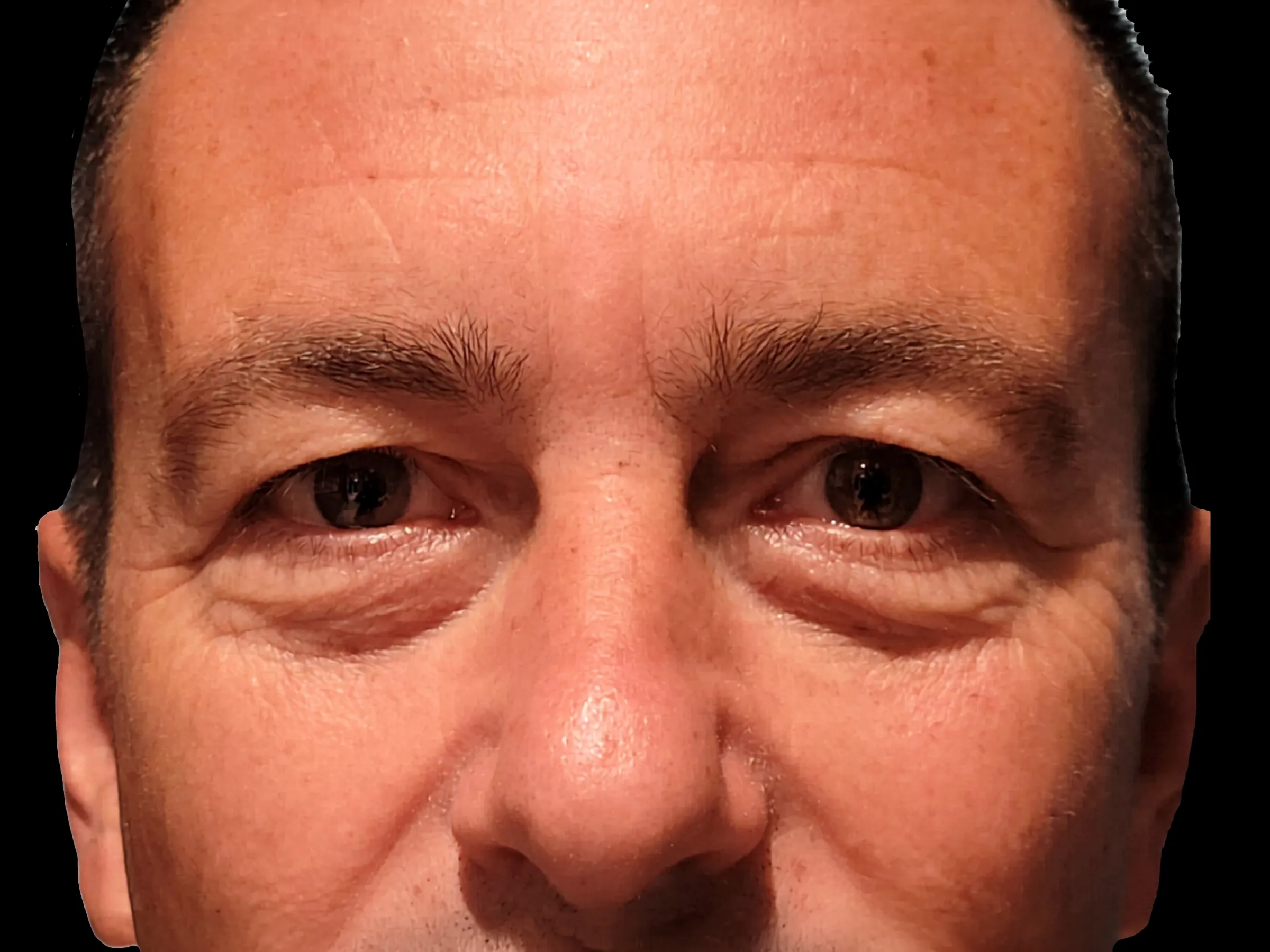
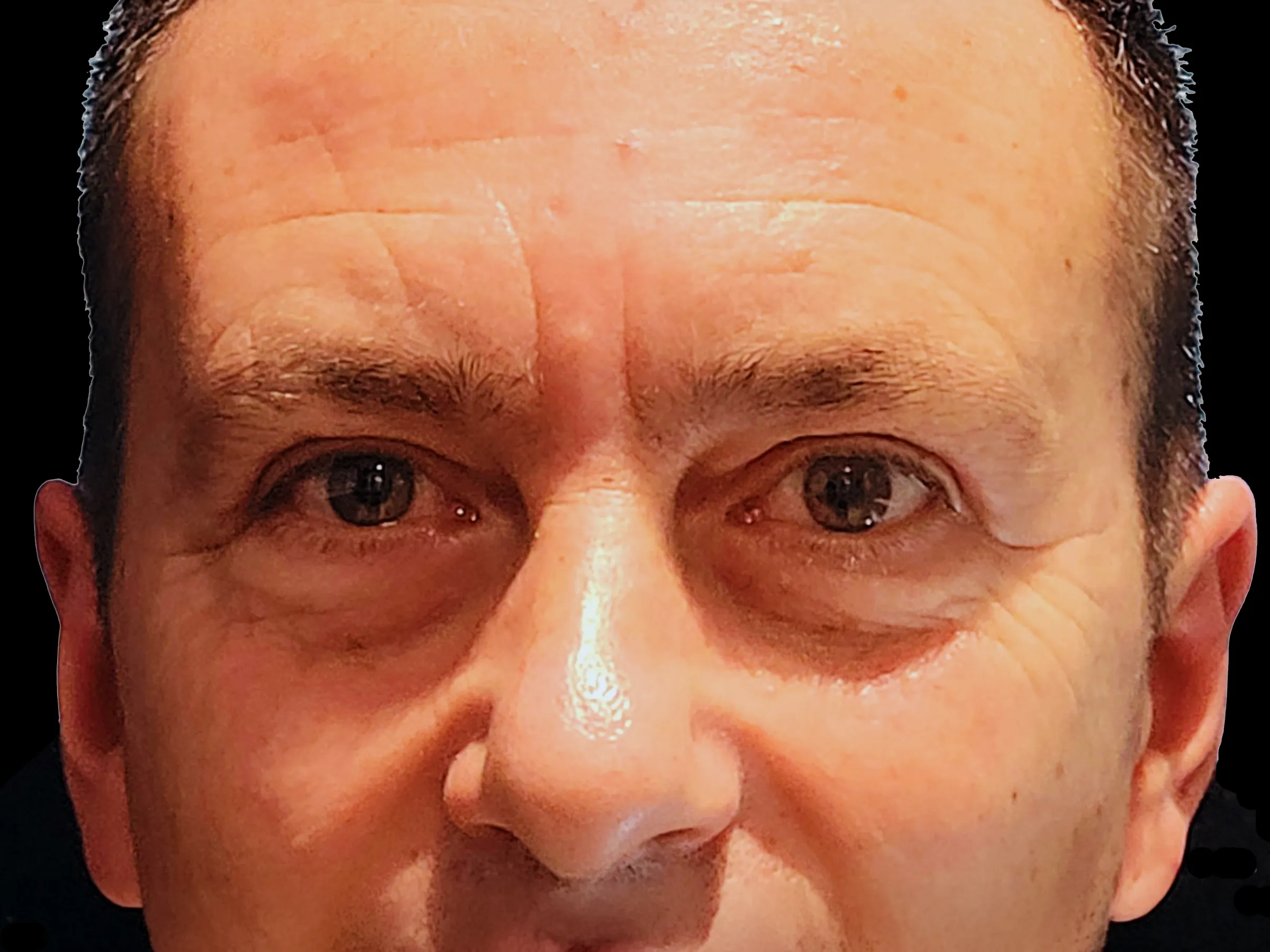
Before and 3 months after surgery
An upper eyelid correction (blepharoplasty) removes excess upper eyelid skin and sometimes fat to create a more open, rested, and youthful appearance.
It improves hooding and heaviness of the upper lids, and may also enhance the visual field when skin obstructs vision.
The best results look natural and harmonious with the brow position, avoiding an over-operated or hollow appearance.
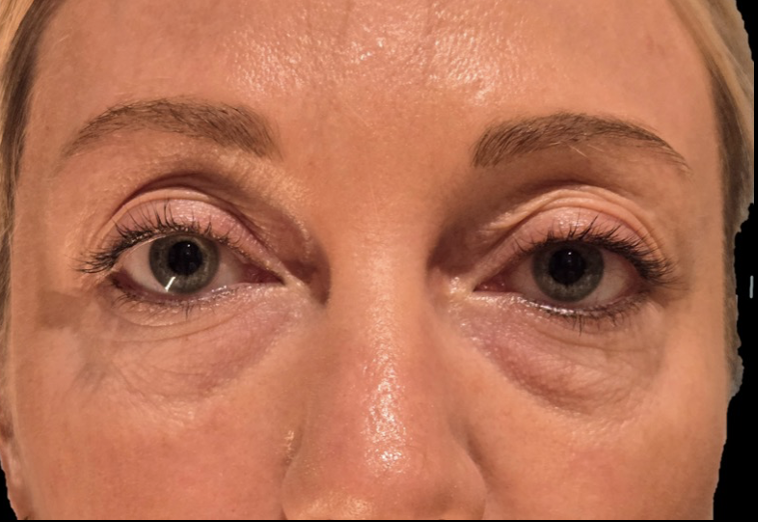
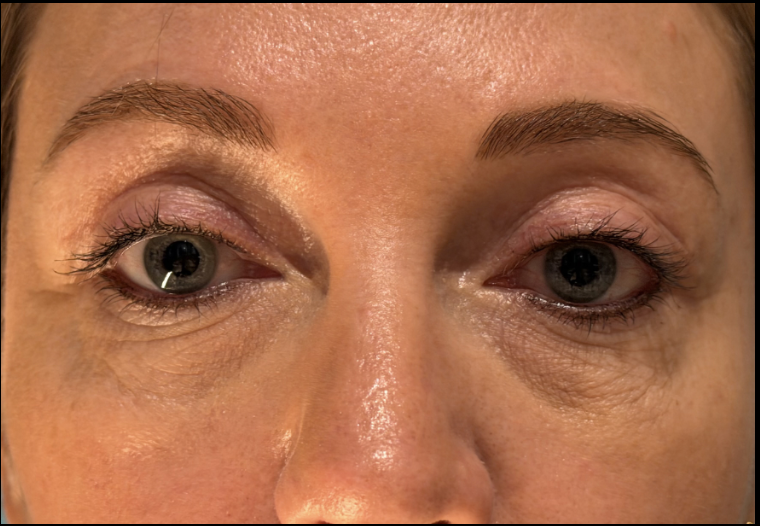
Before and 3 months after surgery
An upper eyelid correction (blepharoplasty) removes excess upper eyelid skin and sometimes fat to create a more open, rested, and youthful appearance.
It improves hooding and heaviness of the upper lids, and may also enhance the visual field when skin obstructs vision.
The best results look natural and harmonious with the brow position, avoiding an over-operated or hollow appearance.
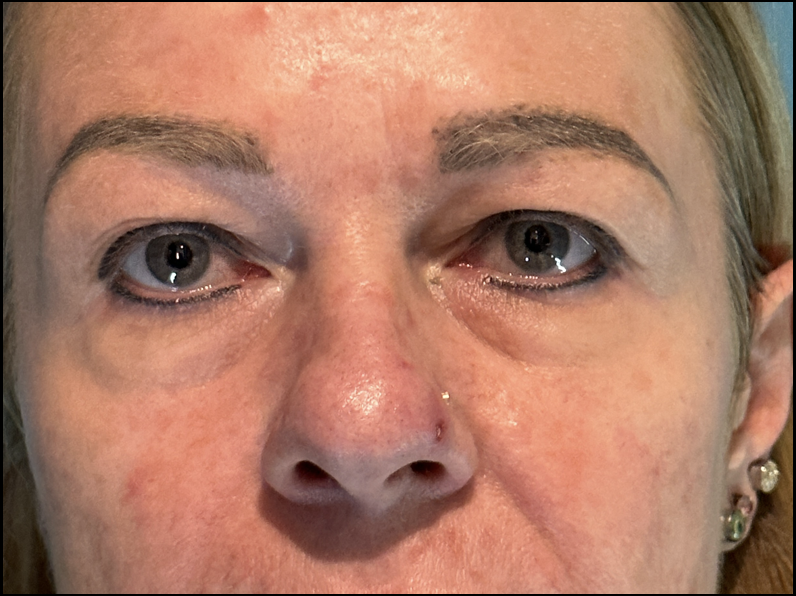
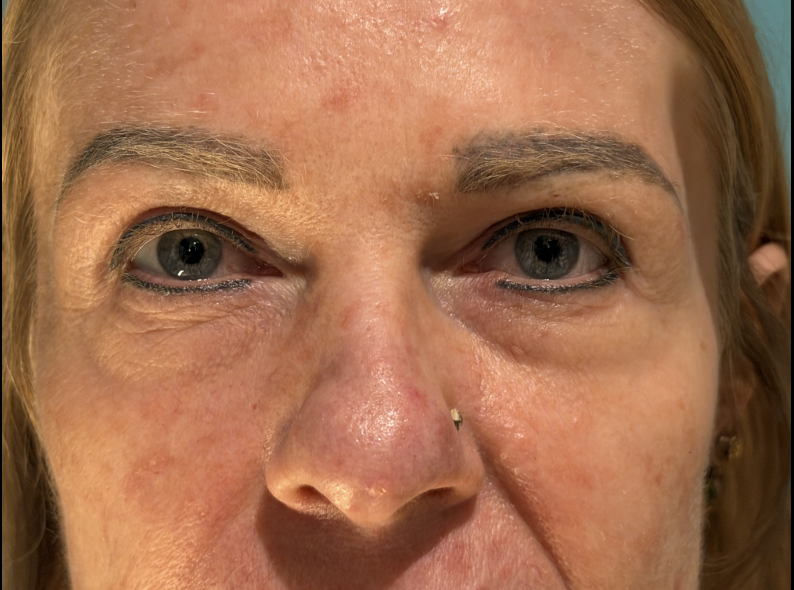
Before and 3 months after surgery
An upper eyelid correction (blepharoplasty) removes excess upper eyelid skin and sometimes fat to create a more open, rested, and youthful appearance.
It improves hooding and heaviness of the upper lids, and may also enhance the visual field when skin obstructs vision.
The best results look natural and harmonious with the brow position, avoiding an over-operated or hollow appearance.
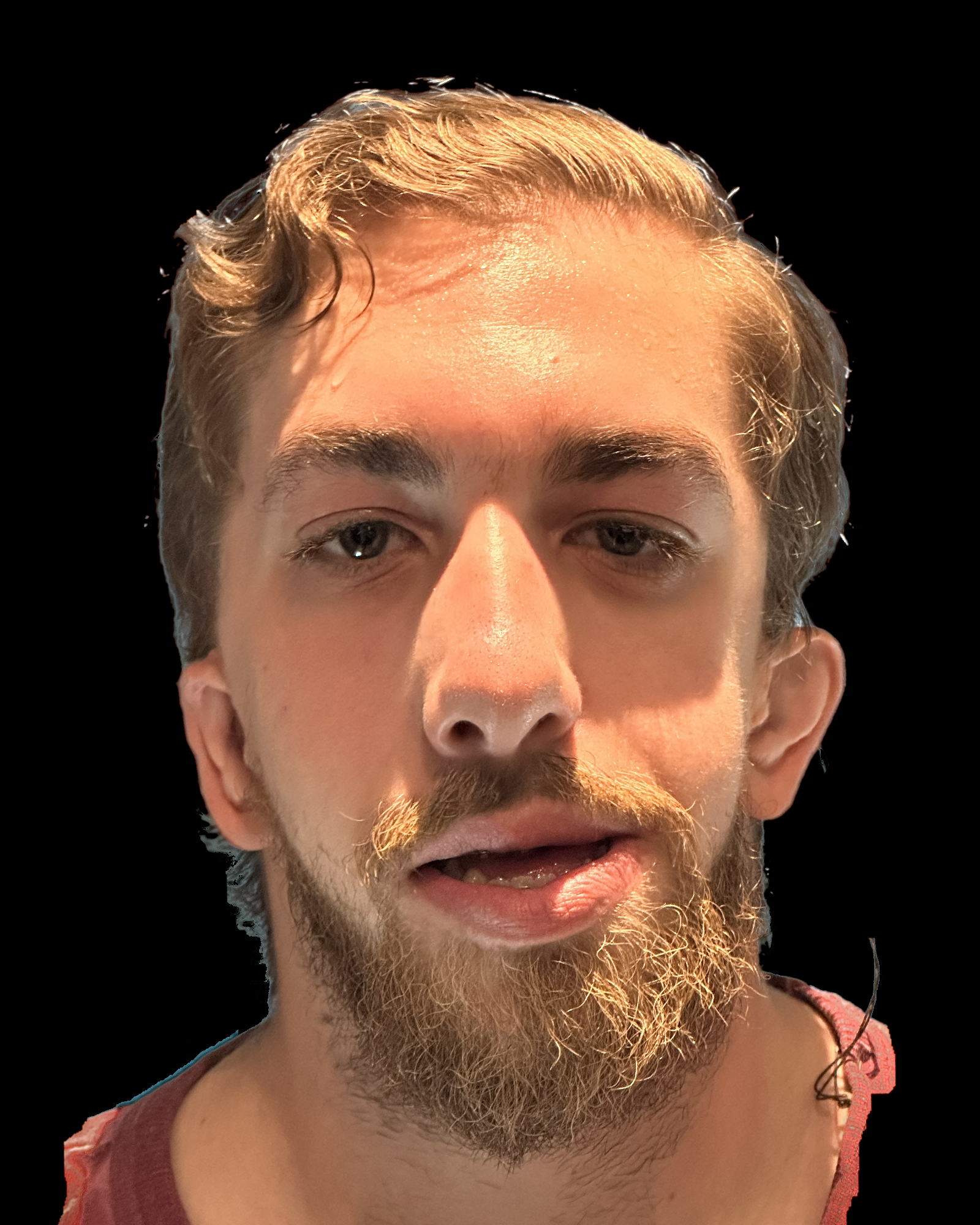
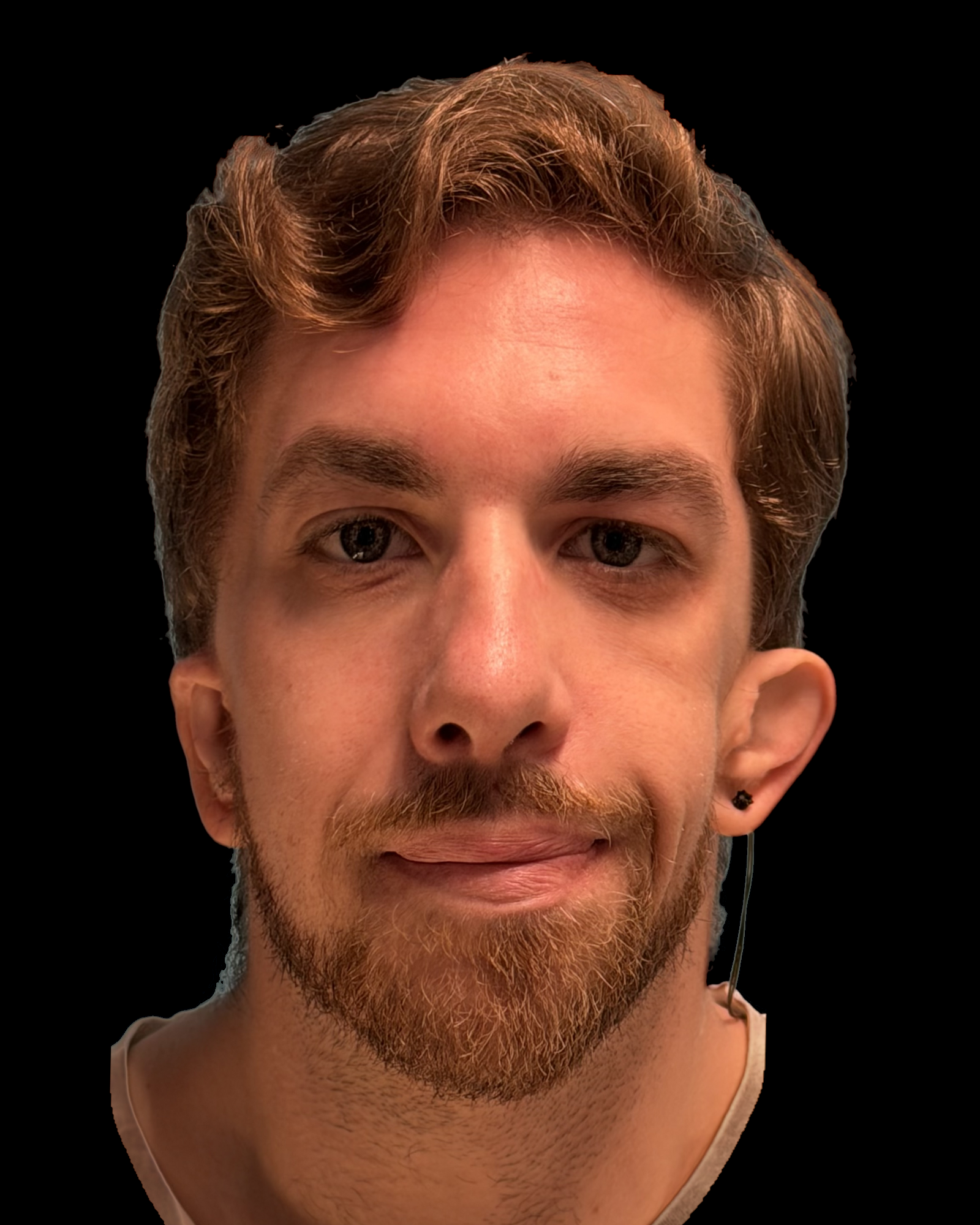
Before and 6 months after last surgery
This patient was born with a cleft lip and palate and with underdevelopment of the face on both sides (craniofacial microsomia). In this condition the jaws, cheekbones and ear region grow insufficiently, so the face stays small and falls out of proportion.
The correction had two parts. First the jaws and chin were released as a single block and rotated — a facial rotation osteotomy — restoring the relationship between the midface and the lower face and bringing the teeth back into a correct bite. The facial contour was then rebuilt with patient specific implants designed individually from a CT scan. They are made of PEEK, a biocompatible polymer whose stiffness lies close to that of bone.
What stands out during follow-up is how priorities shift once the face is in balance. Refinements that seemed important beforehand — a pharyngoplasty to improve speech, an ear correction — move into the background, while the patient re-engages fully with social life. This is not a rule, but it is a pattern that recurs.
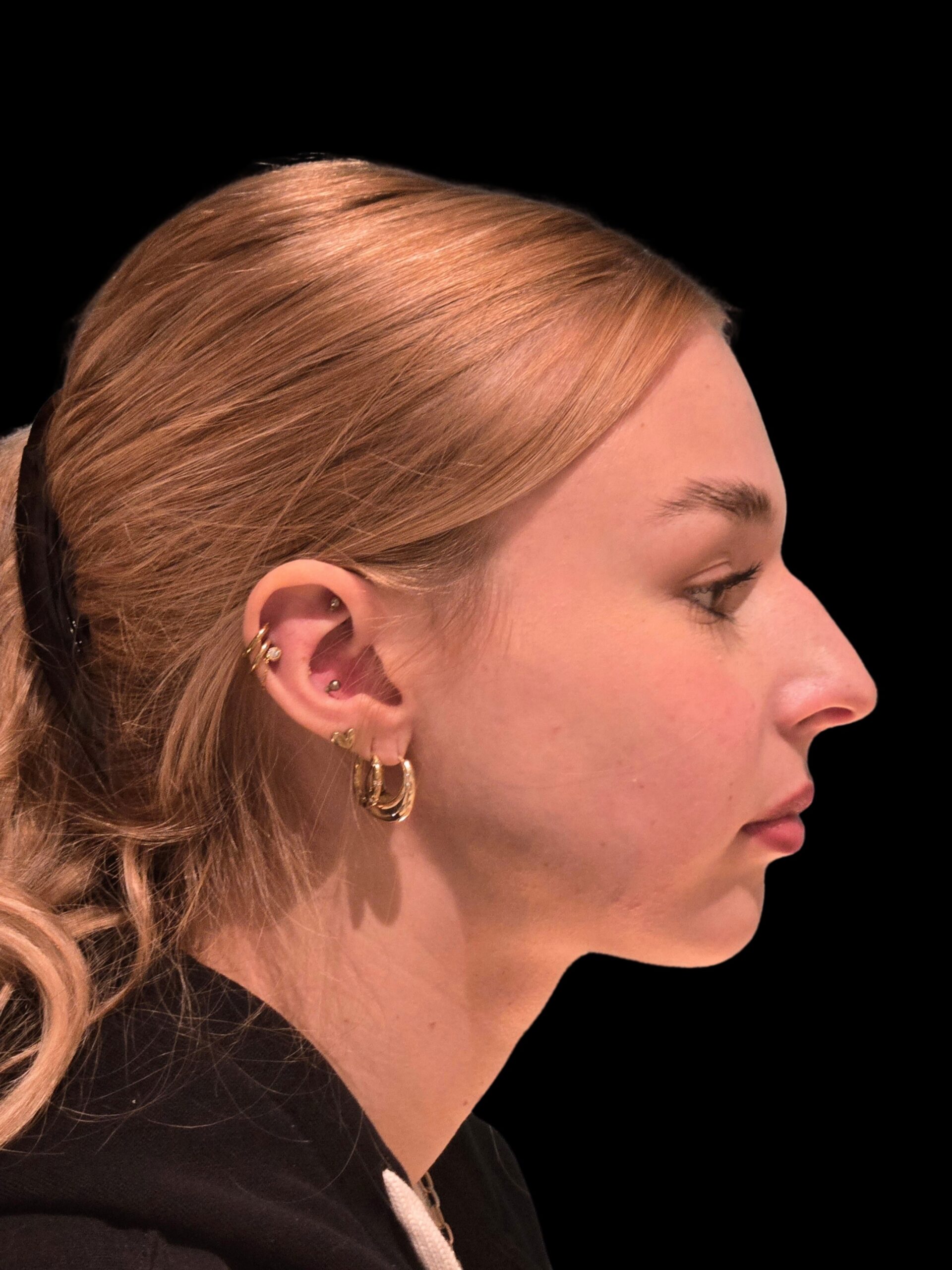
Before and 2-weeks after surgery
Before and after botulinum toxin treatment for glabellar lines (frown lines), forehead wrinkles, crow’s feet, and a subtle brow tail lift.
✨ Smoother forehead
✨ Softer frown lines
✨ Reduced crow’s feet
✨ Natural elevation of the lateral brow tail
✨ Preserved facial expression with a refreshed appearance
A balanced, natural result: less wrinkling at rest and during facial animation, while maintaining expressive movement.
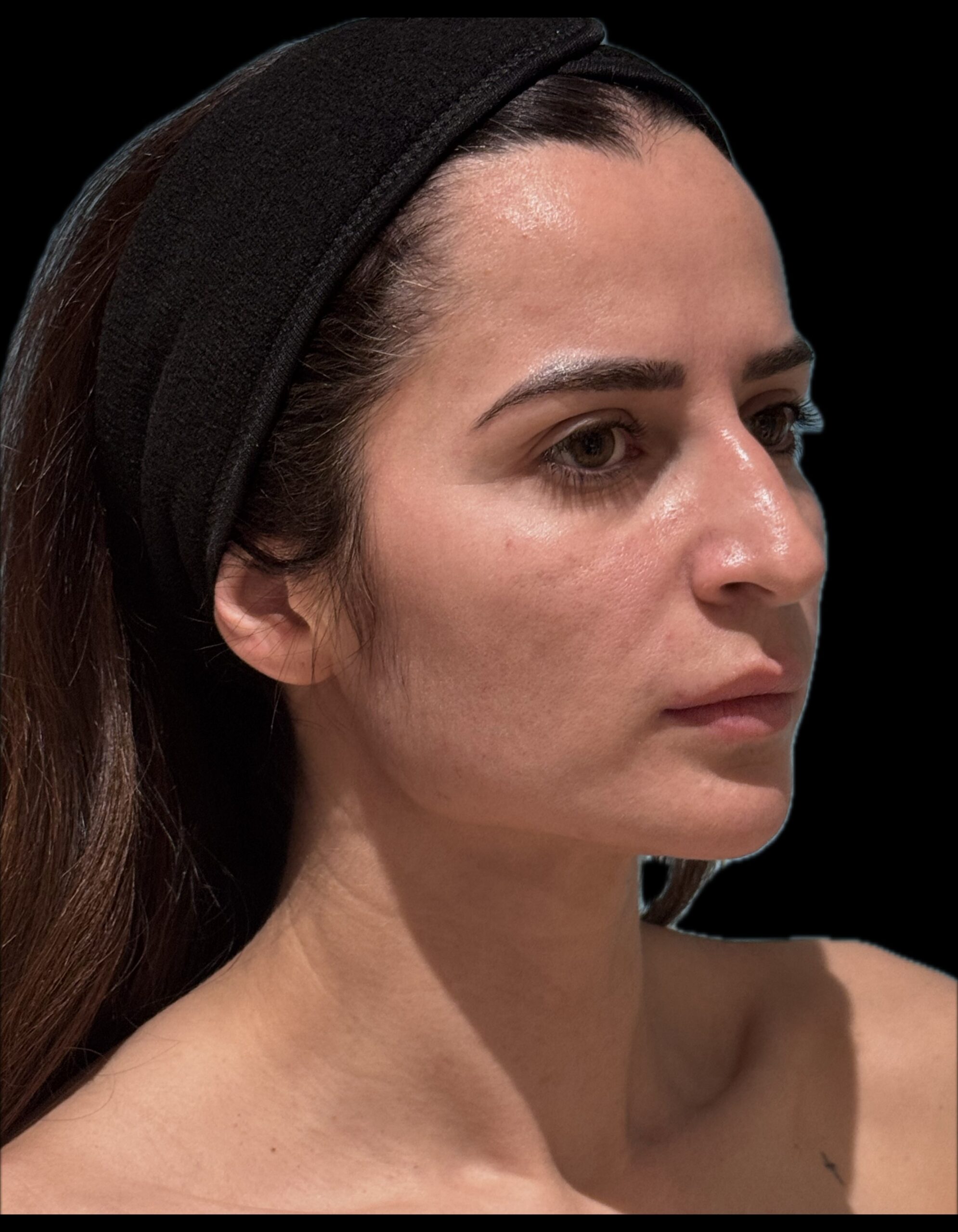
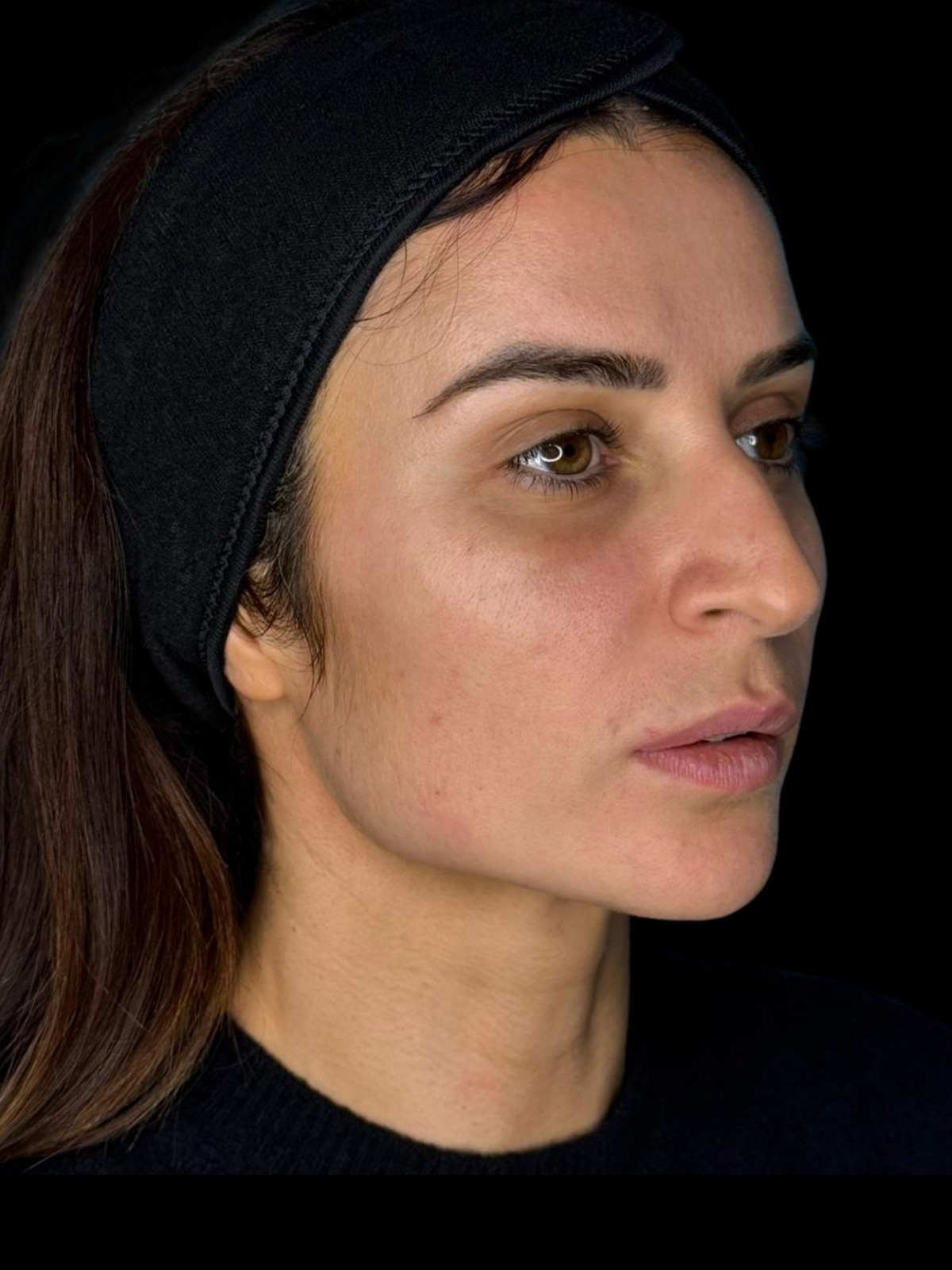
Before and 6-months after surgery
A Fogli brow lift can be performed under local anaesthesia with oral sedation. It restores a refreshed, more open and alert appearance to the eyes.
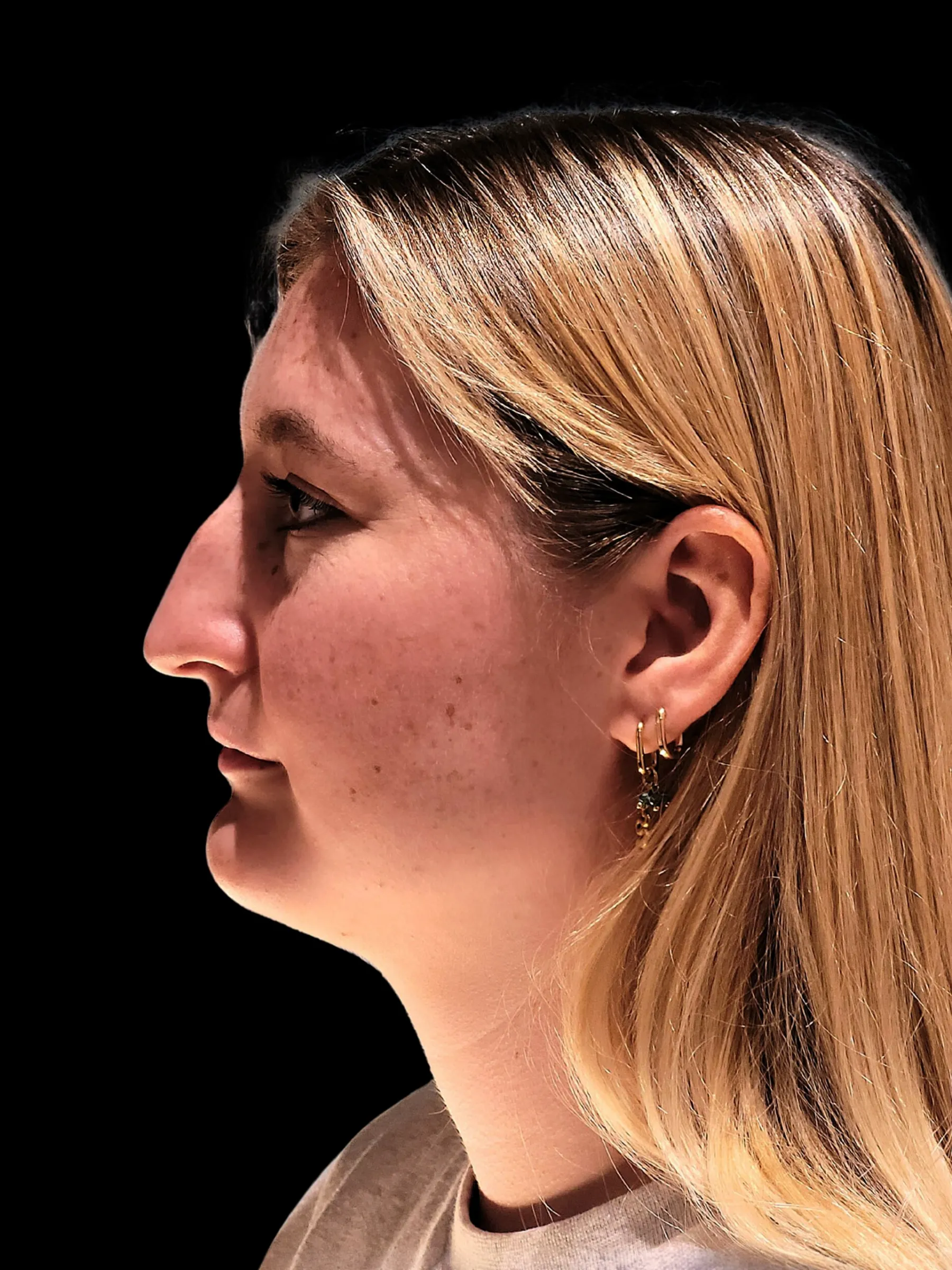
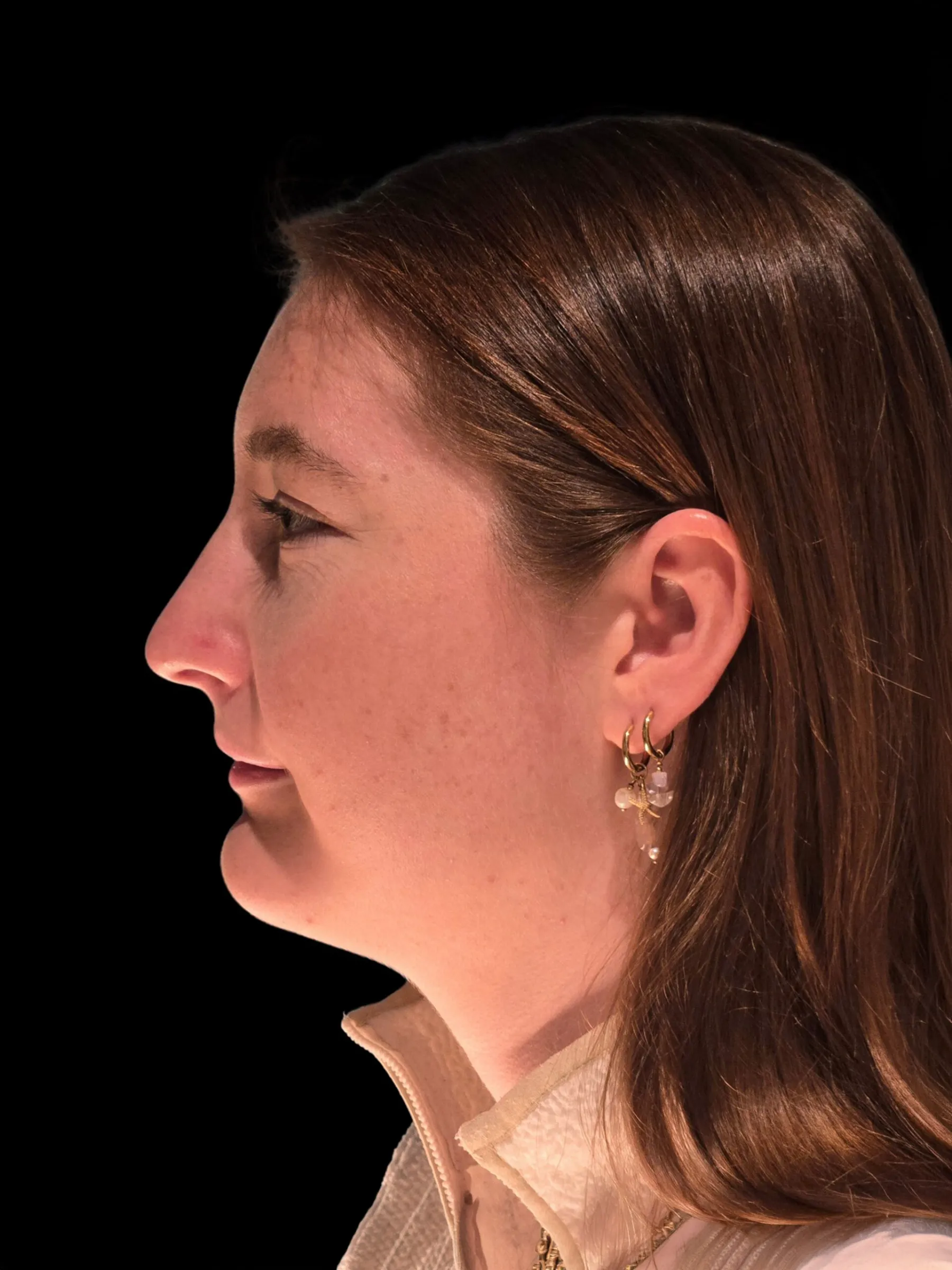
Before and 3-months after surgery
A nasal dorsum straightening procedure aims to create a smoother, straighter, and more harmonious nasal profile by correcting irregularities, asymmetries, or deviations of the nasal bridge. Depending on the underlying anatomy, this may involve reshaping bone and cartilage, reducing a hump, augmenting deficient areas, or correcting a deviated nasal framework. The goal is not simply to create a perfectly straight line, but rather a dorsum that is balanced with the patient’s facial proportions and aesthetic goals. Successful correction improves nasal symmetry from both the profile and frontal views, while maintaining structural support and natural contours. The best results appear refined and unoperated, preserving the individual’s identity while enhancing facial harmony.
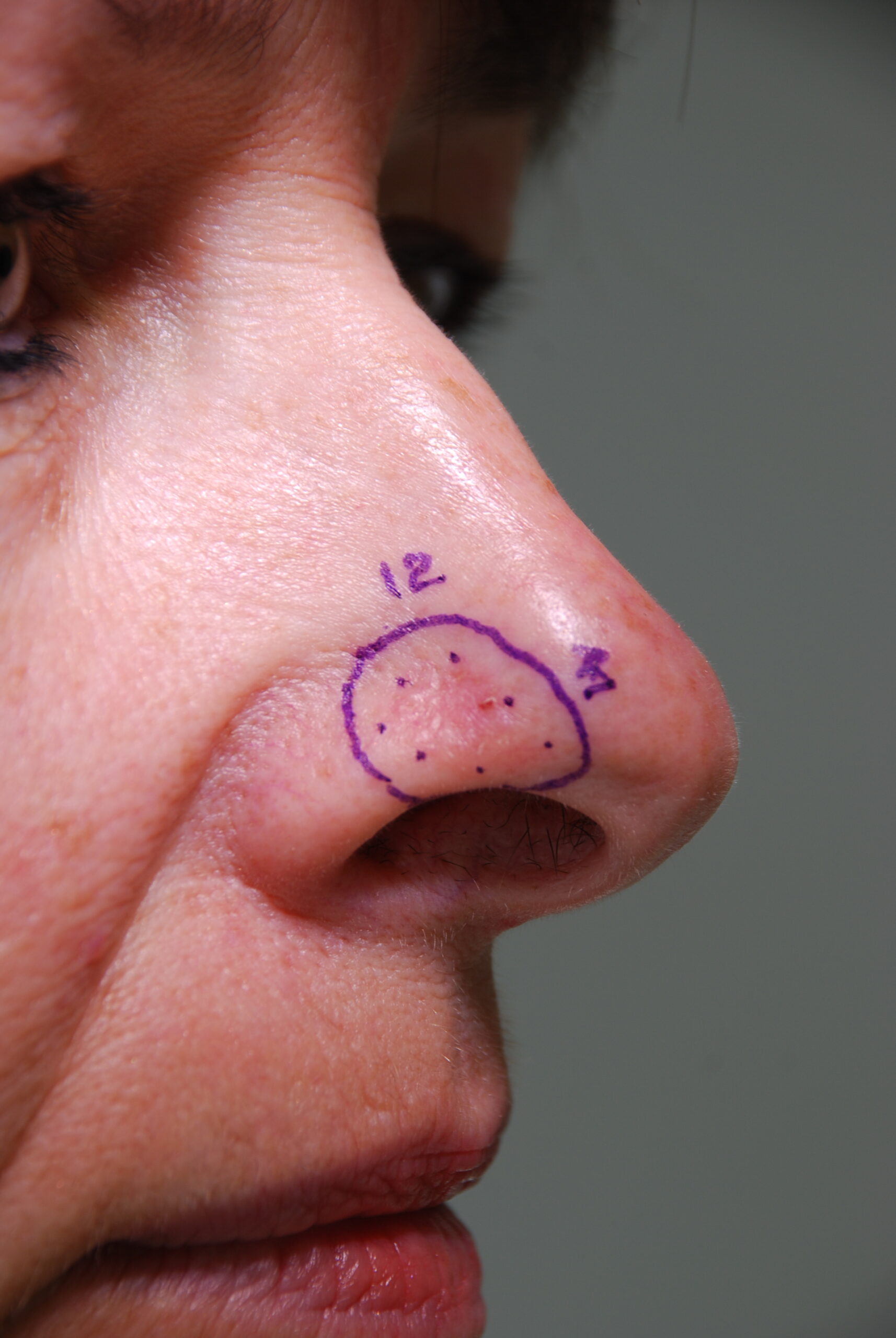
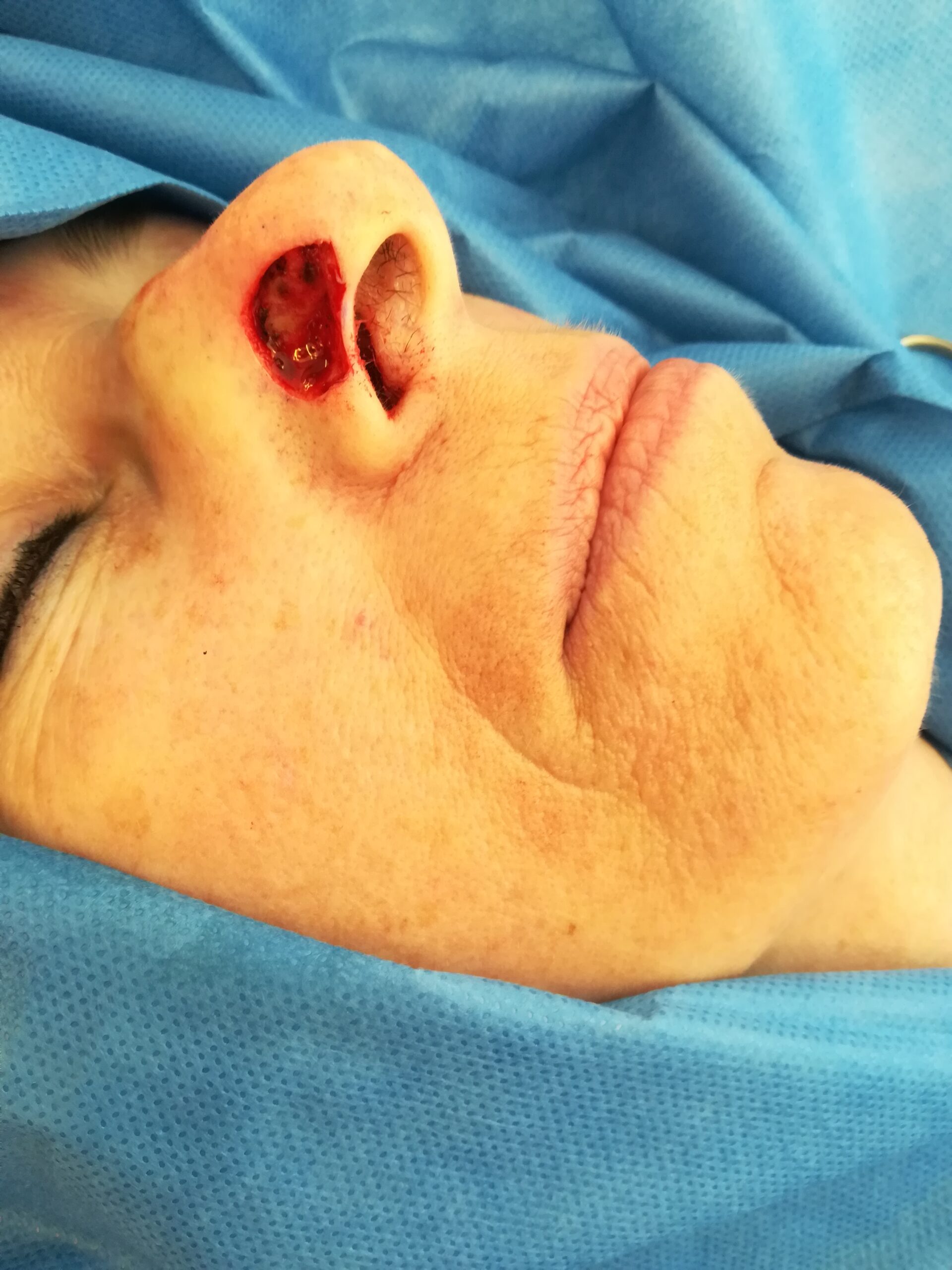
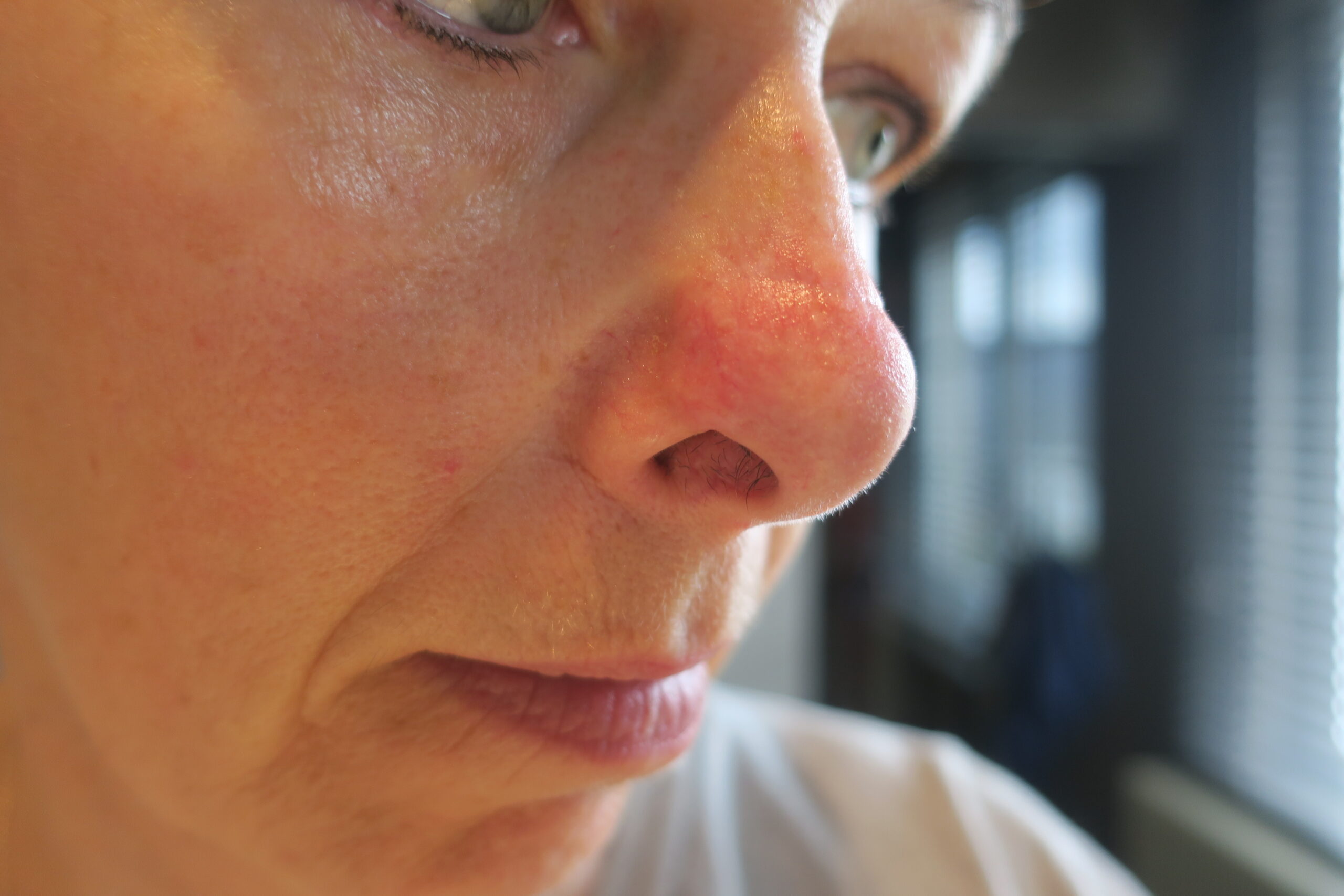
A skin cancer was removed from the nose under local anaesthetic (you stay awake, and only the area being treated is numbed). The wound was then repaired using healthy skin from the nearby area, which was moved into place to restore the natural shape of the nose. At the same time, the tip of the nose was made slightly less prominent. This helped reduce the size of the wound and also provided a small piece of cartilage from the other side of the nose to strengthen and support the nostril during the reconstruction.
Ready to Start Your Journey?
Use our AI assistant on the homepage to get answers to your questions, or contact us to schedule a consultation.